The world debate on product design is at a critical juncture. For years, the main concern of the consumer product brands has been visual appeal and production costs in creating retail packaging. The criteria for success were whether a box reflected light well on a store shelf, or looked cool in a digital marketing campaign. The drawback of this was that often the containers were beautiful; but so incredibly difficult to open that there was an epidemic of wrap rage whereby the user would become physically injured from fighting with the super secure, hard to open plastic blisters and tightly-sealed cardboard containers.
In today’s age, innovative brands in the United States are moving towards a more empathetic and commercially savvy approach to Universal Design. Inclusive packaging should ensure a product can be accessed, opened and enjoyed by all, regardless of age, physical or hand strengths. Focusing on accessibility is not only a moral imperative, it is also a big opportunity to connect with a large, loyal customer base of older people and people with physical disabilities, creating a strong brand reputation and presence in the modern retail environment.
Aging US Demographic and the Demand for Accessibility
Demographic shifts in North America are a direct influence on the economic motivation behind inclusive design. The population over 65 years of age is the fastest-growing age group in the U.S. Census. This important demographic has a great deal of purchasing power, but they often have arthritis, lack fine motor skills or have poor vision.
A good example is a brand’s packaging requiring a large amount of gripping strength, sharp tools, or precise fine-motor skills to open, which turns off millions of potential customers. These physical barriers are actively eliminated by inclusive custom packaging. It supersedes the usual plastic seal with a seamless mechanism that lets the product through, making the unboxing process inviting and hassle-free for each of them, one by one.
Also read: How to boot Windows 10 in safe mode
Technical Elements of Accessible Packaging Construction
Designing an inclusive box design involves taking the lock and tab-and-slot approach out of the box, which traps items within the box. Rather, packaging designers use creative structural format to design smooth, seamless gliding opening sequences.
The use of integrated Pull Tabs and Tear Strips is another feature that replaces standard clear plastic tape seals and lets users open a box with just one hand without scissors and a knife.
Contoured Thumb Notches: Applying half circular notches to stiff sleeves or lids provides a secure grip for the thumb to facilitate easy separation of components when the tight edges will be pinched.
Accessibility is also about visual readability with High Contrast Typography and Tactile Braille. Critical product usage warnings and specifications are clearly readable for someone with low vision on a text grid with large sans-serif letters, and embossed lettering, which are also braille.
Using Inclusive Principles for High-Volume Technology Goods
In the rapidly evolving tech accessories and consumer electronics industry, accessible engineering is becoming more and more evident. As these products are sold to consumers of all ages every day, packaging needs to be instantly understandable.
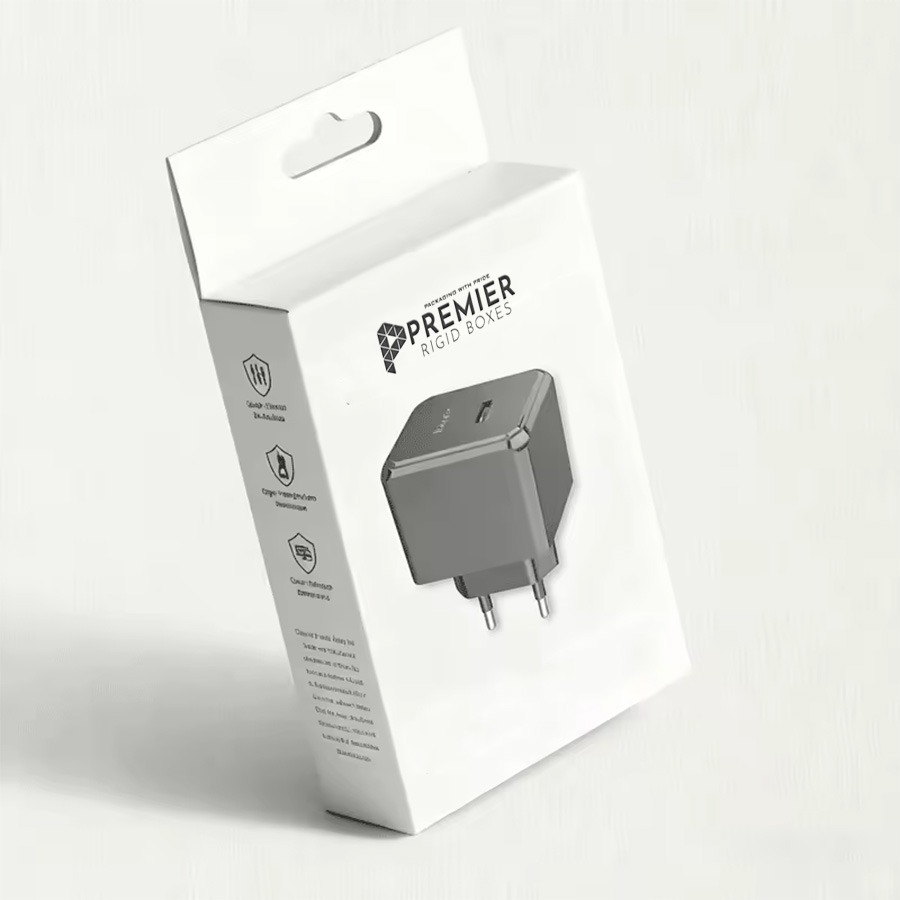
In the world of mobile power and charging accessories, there is a high demand. Replacement charging bricks and high-speed charging cords are sold online every week by millions of consumers. When the user experience is compromised before you get the tech plugged in because the brand is packaging these small items in clamshells that are razor-sharp and heat sealed, it’s a deal breaker. The solution to this is offered by progressive electronic brands, who are moving to micro-flute paperboard configurations.
Construction of special, magnetic-closed or smooth-draw-finished custom charger boxes allows for easy access. The box is unboxed easily with one hand, thanks to the wide finger loops and zero-glue internal paper trays that keep the charging block in place. This innovative and seamless design secures the intricate electronics during transit and simultaneously creates a sophisticated, engaging brand presence, outstripping the marketing efforts of the low-cost, plastic-wrapped brands.
The Commercial Advantages of the “Ease of Use” Blueprint
Creating for accessibility helps make the shopper journey better, but it can also generate significant operational and financial benefits for growing ecommerce companies.
Accidental Breakage: Many people return an e-commerce product because they accidentally broke it; or trimmed an important cable while opening a hard to open box, etc. With accessible boxes this risk can be averted altogether.
Inclusive packaging is heavily dependent on clean paperboard structures and avoids mixed-plastic blister films, plus it perfectly aligns with environmental laws. Brands are naturally not paying expensive state level Extended Producer Responsibility (EPR) financial penalties as these single substrate paper boxes are 100% curbside recyclable.
A brand can produce a container where disabled or aging users can genuinely experience the product and that positive experience will often extend to social media, resulting in a huge organic boost in traffic and search engine optimization.
Conclusion
The definition of premium product has officially changed. Luxury and modern design are no longer measured by the exclusivity and complexity of a box but by its beauty and inclusivity of every human person that interacts with it. By adapting to custom structures that are easy to access, your company can protect your products from damage in transit, reduce customer complaints, and ensure your business can evolve and remain compliant with upcoming environmental legislation. The empathy that becomes part of your structural design isn’t merely the creation of a better box; it’s the creation of an indestructible connection with the whole of your customer base, which guarantees best retail market shares for years and years.